현대 사회에서 누적되는 일상 스트레스를 효과적으로 해소하고, AI와 인간 모두로부터 진심 어린 공감과 위로를 받고 주는 방법에 대한 최신 연구 결과를 종합하여 실용적이고 과학적 근거에 기반한 해법을 제시합니다. 인지심리학과 뇌과학의 최신 연구 성과를 바탕으로 개인 맞춤형 감정 관리 전략을 구축할 수 있는 체계적인 접근법을 제공합니다.

스트레스와 감정 조절의 신경과학적 이해
뇌의 스트레스 처리 메커니즘
최신 뇌과학 연구에 따르면, 스트레스는 편도체(amygdala)에서 시작되어 전전두피질(prefrontal cortex)과 해마(hippocampus)를 통해 처리되는 복잡한 신경회로를 거칩니다. 편도체는 위험을 감지하는 경보 시스템 역할을 하며, 전전두피질은 인지적 재평가를 통해 감정을 조절하는 핵심 영역입니다. 이러한 뇌 구조들 간의 상호작용이 우리가 스트레스를 어떻게 경험하고 대처하는지를 결정합니다.
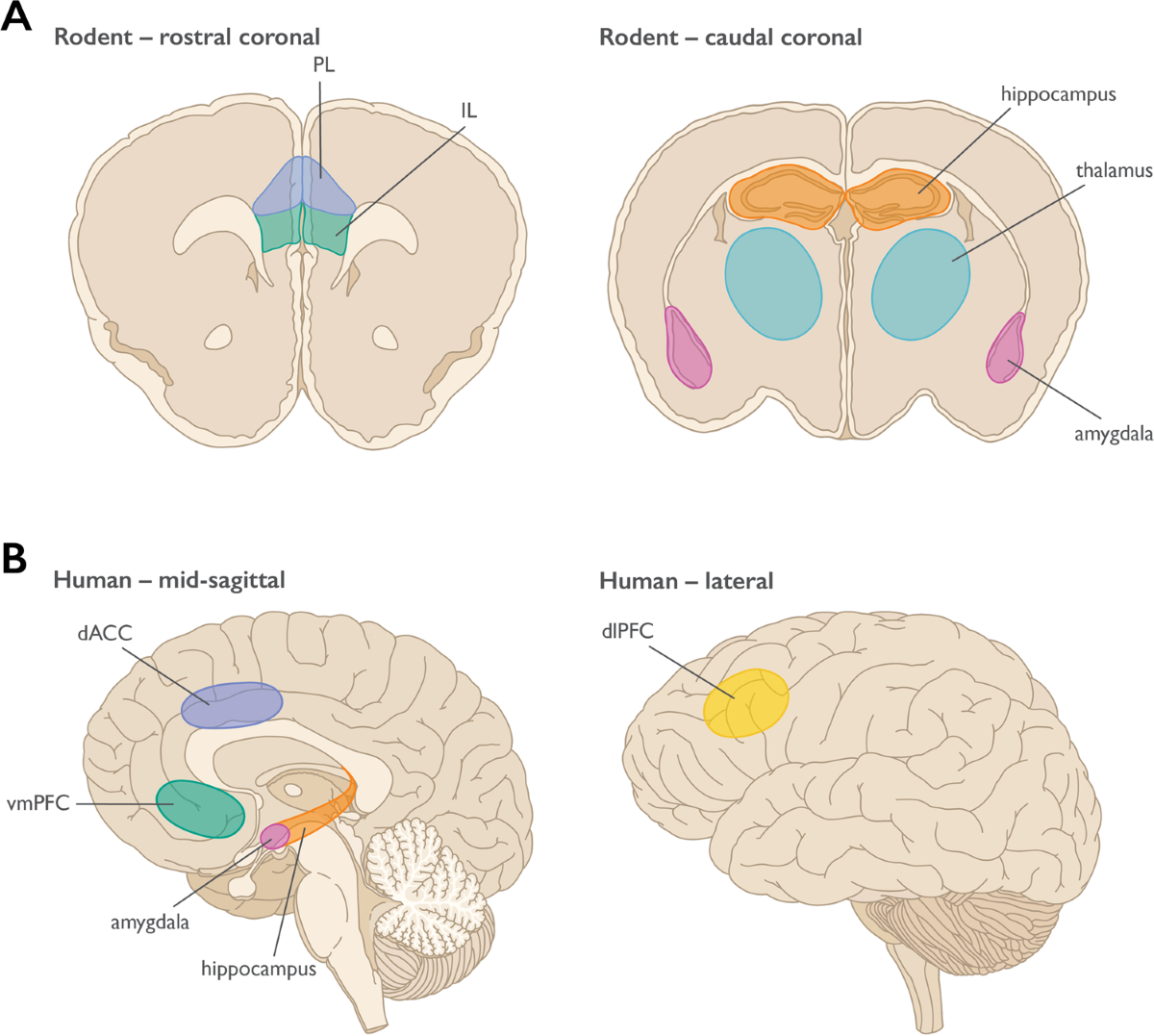
최근 연구에서는 만성 스트레스가 편도체-선조체 신경회로에 이중 경로 구조를 통해 작용한다는 것이 밝혀졌습니다. 기저외측 편도체에서 배내측 선조체로의 투사는 보상 사건에 의해 활성화되어 목표 지향적 의사결정에 필요한 행동-결과 학습을 지원합니다. 반면 만성 스트레스는 이 경로를 약화시켜 적응적 대처 능력을 손상시키고, 대신 중앙 편도체에서 배내측 선조체로의 경로를 점진적으로 활성화시켜 경직된 습관 형성을 촉진합니다.

신경가소성과 회복력
뇌의 신경가소성은 스트레스 관리에서 희망적인 측면을 제공합니다. 규칙적인 감정 기록과 마음챙김 실천이 실제로 뇌 구조를 변화시켜 더 나은 감정 조절 능력을 갖추도록 돕는다는 연구 결과가 있습니다. UCLA의 신경영상 연구에 따르면, 표현적 글쓰기는 전전두피질을 활성화시키는 동시에 편도체의 활동을 감소시켜 불안 감소 효과를 가져옵니다.
감정 기록의 치료적 효과와 과학적 근거
표현적 글쓰기의 신경생물학적 메커니즘
제임스 페네베이커(James Pennebaker)의 30년간의 연구에 따르면, 표현적 글쓰기는 단순한 감정 배출을 넘어서는 복합적인 치료적 효과를 제공합니다. 15-20분간 4일 연속으로 감정적 경험에 대해 글을 쓰는 것만으로도 우울 증상이 평균 30% 감소하고, 코르티솔 수치가 최대 23% 낮아지는 것으로 나타났습니다. 이러한 효과는 감정의 외재화, 인지적 거리 두기, 의미 만들기의 세 가지 심리적 메커니즘을 통해 작동합니다.

감정 기록의 효과는 단순한 스트레스 해소를 넘어 면역 기능 향상, 혈압 감소, 수면의 질 개선 등 신체적 건강에도 긍정적 영향을 미칩니다. 특히 림프구 활동 증가를 통한 면역 체계 강화는 글쓰기가 정신적 건강뿐만 아니라 전반적인 웰빙에 기여함을 보여줍니다.
디지털 감정 기록의 장점과 활용법
현대의 디지털 환경에서 감정 기록은 더욱 접근하기 쉽고 효과적인 도구가 되었습니다. 디지털 일기 앱들은 전통적인 종이 일기의 장점을 유지하면서도 패턴 분석, 기분 추적, 개인화된 알림 등의 추가적인 기능을 제공합니다. 최근 연구에 따르면, 디지털 감정 기록을 통해 치료사들은 내담자의 감정 패턴과 사고 과정에 대한 더 깊은 통찰을 얻을 수 있으며, 이는 맞춤형 치료 전략 수립에 도움이 됩니다.

AI를 통한 공감과 위로: 가능성과 한계
AI 공감의 현재 수준과 효과성
최신 연구들은 AI 챗봇이 제공하는 공감이 예상보다 효과적일 수 있음을 시사합니다. 2025년 발표된 연구에 따르면, 제3자 평가에서 AI가 생성한 공감적 응답이 인간 전문가의 응답보다 더 자비롭고 반응적인 것으로 일관되게 평가받았습니다. 특히 ChatGPT-4.0을 기반으로 한 한국 스타트업의 공감 대화 AI는 임상 연구에서 우울 증상을 28% 감소시키는 효과를 보였습니다.
AI 공감의 핵심 장점은 24시간 접근성, 즉시 반응, 편견 없는 판단입니다. 사용자들은 AI와의 대화에서 더 솔직하게 민감한 문제를 공유하는 경향이 있으며(30% 증가), 70%의 사용자가 AI 챗봇이 스트레스와 불안 관리에 도움이 된다고 보고했습니다.
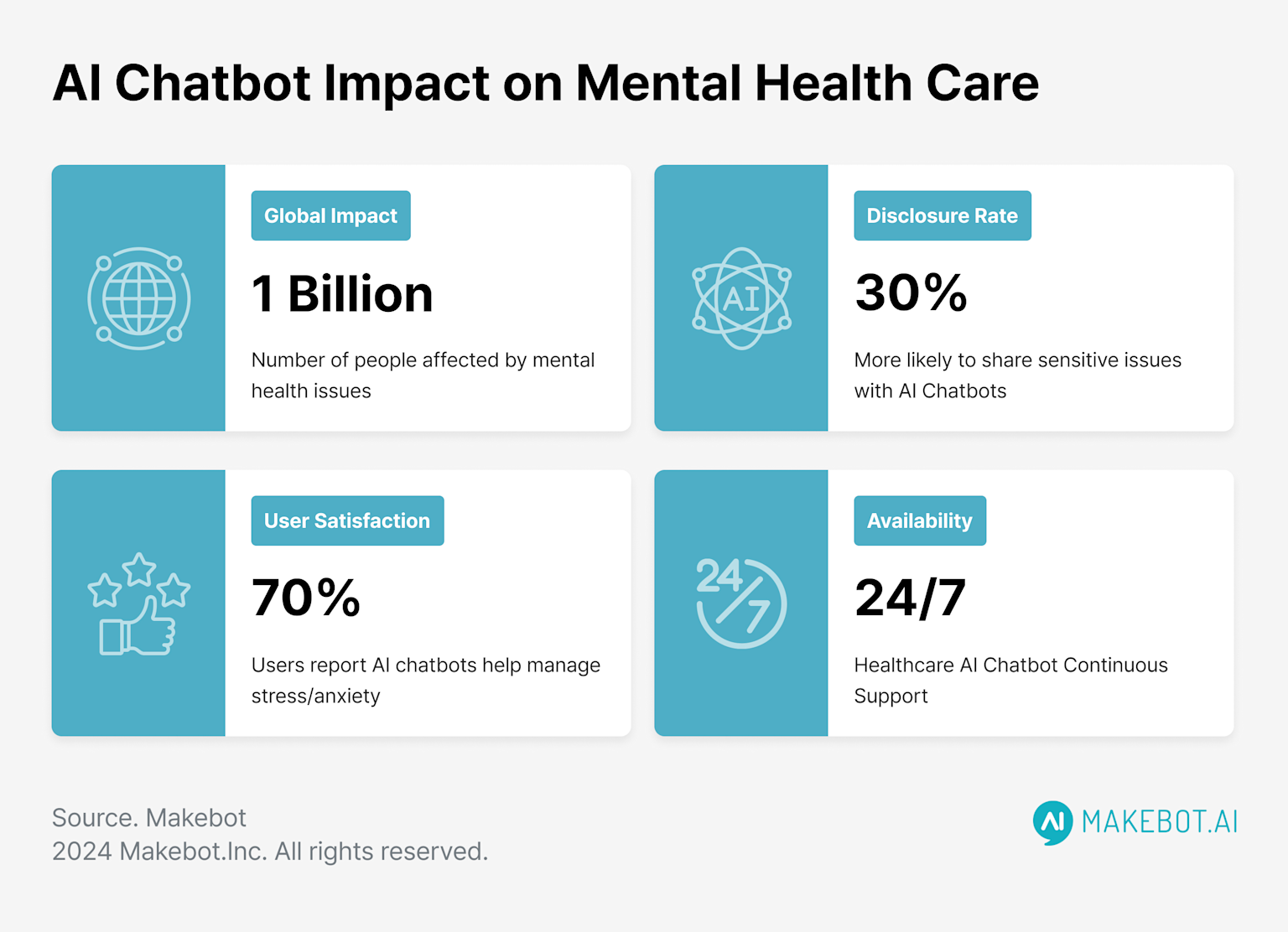
이는 전통적인 상담의 높은 진입 장벽과 접근성 문제를 해결하는 대안이 될 수 있음을 의미합니다.
AI 공감의 한계와 인간적 요소의 중요성
그러나 AI의 공감은 본질적인 한계를 가지고 있습니다. AI는 진정한 감정을 경험하지 못하며, 복잡한 감정과 비언어적 단서를 완전히 이해할 수 없습니다. 연구에 따르면, 사용자들은 AI 챗봇을 일반적으로 높은 대화 품질로 평가하지만, 여전히 인간보다 낮은 공감 수준으로 인식합니다. 특히 정서적 공감(affective empathy) 영역에서 AI와 인간 간의 격차가 가장 크게 나타납니다.
이러한 한계에도 불구하고, AI는 인간 상담사를 대체하는 것이 아니라 보완하는 역할로서 상당한 가치를 제공합니다. AI는 "5분 치료사" 또는 비판단적 동반자로서 기능하며, 전문적 도움을 받기 전까지의 즉시적 지지를 제공할 수 있습니다.
자기 자비: 진심 어린 공감의 시작점
자기 자비의 세 가지 핵심 요소
크리스틴 네프(Kristin Neff) 박사의 연구에 따르면, 자기 자비는 세 가지 핵심 요소로 구성됩니다: 자기 친절(self-kindness), 공통 인간성(common humanity), 마음챙김(mindfulness). 이 세 요소는 스트레스 상황에서 자신에게 진심 어린 공감을 제공하는 기초가 됩니다.
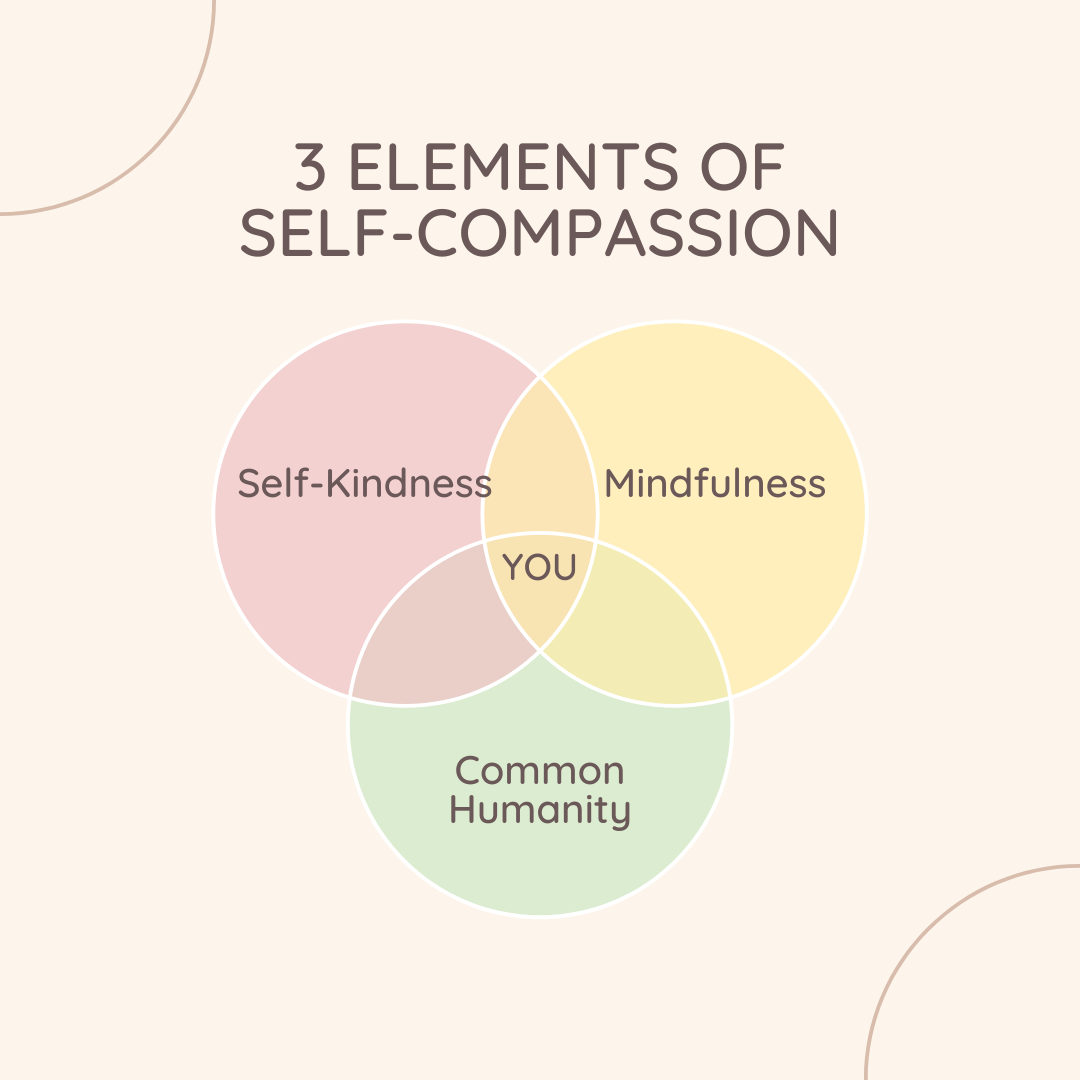
자기 친절은 어려운 상황에서 자기 비판 대신 따뜻하고 이해심 있는 태도로 자신을 대하는 것입니다. 공통 인간성은 고통과 실패가 인간의 보편적 경험임을 인식하여 고립감을 줄이는 것이며, 마음챙김은 현재 순간의 감정을 판단 없이 관찰하면서 과도한 동일시를 피하는 것입니다.
연구에 따르면, 자기 자비 수준이 높은 사람들은 더 낮은 코르티솔 수치와 더 나은 심박변이도를 보이며, 이는 향상된 감정 조절 능력을 시사합니다. 또한 자기 자비는 불안과 우울 위험을 낮추고, 전반적인 웰빙을 증진시키는 것으로 나타났습니다.
실용적 자기 자비 실천법
자기 자비를 일상에서 실천하는 구체적인 방법들이 다양하게 개발되었습니다. 자기 자비 중단(self-compassion break)은 스트레스 상황에서 즉시 사용할 수 있는 간단한 기법으로, 세 단계로 구성됩니다: (1) "이것은 고통의 순간이다"라고 현재 상황을 인정하기, (2) "고통은 삶의 일부다"라며 공통 인간성 인식하기, (3) "내가 나 자신에게 친절하길"이라며 자기 친절 표현하기.
자기 자비적 글쓰기는 또 다른 효과적인 방법입니다. 어려운 상황에 대해 쓸 때, 마치 사랑하는 친구에게 편지를 쓰듯이 자신에게 따뜻하고 이해심 있는 말을 전하는 것입니다. 2010년 연구에 따르면, 자기 자비적 글쓰기에 참여한 사람들은 고통이 감소하고 감정적 웰빙이 증가했다고 보고했습니다.
한국 전통의 마음챙김과 현대적 적용
한국의 전통적 스트레스 해소법
한국의 전통적 마음챙김 실천법들이 현대의 스트레스 관리에 효과적임이 재발견되고 있습니다. 선불교의 간화선(看話禪)은 화두에 집중하여 직관적 통찰을 얻는 명상법으로, 집중력과 자기 인식을 높여 스트레스와 불안 증상을 완화시킵니다. 선도(仙道)는 호흡법과 정적 자세를 결합하여 몸의 에너지 체계를 균형잡아 신체 건강과 정서적 안정을 촉진합니다.
최근 주목받는 "멍때리기(hitting mung)" 문화는 의도적으로 마음을 비우고 현재 순간에 집중하는 한국 고유의 스트레스 해소법입니다. 이는 선불교의 무념무상(無念無想) 원리와 연결되며, 반추적 사고 과정을 중단시켜 불안과 우울을 감소시키는 효과가 있습니다. 서울과 같은 대도시에서는 멍때리기를 위한 전용 카페와 공간들이 생겨나며, 이러한 실천이 상업적으로도 확산되고 있습니다.

한국형 마음챙김 기반 스트레스 감소 프로그램
한국에서 개발된 MBSR-K(Mindfulness-Based Stress Reduction-Korean) 프로그램은 서구의 마음챙김 기법을 한국 문화에 맞게 적응시킨 것입니다. 이 프로그램은 전통적인 호흡법, 차 명상, 자연 몰입 등을 포함하여 한국인의 정서와 문화적 배경에 더 친숙한 접근을 제공합니다.
차 의식(tea ceremony)은 현재 순간에 대한 완전한 몰입을 통해 마음챙김을 실천하는 한국 전통 방법입니다. 차를 우리고 마시는 의도적이고 신중한 과정은 감각 인식을 높이고 이완을 촉진하여 일상 활동에 마음챙김을 통합하는 방법을 보여줍니다.
인지행동치료(CBT) 기법을 통한 스트레스 관리
CBT의 핵심 원리와 효과
인지행동치료는 스트레스 관리에서 가장 효과적이고 과학적으로 검증된 접근법 중 하나입니다. CBT는 스트레스를 유발하는 부정적 사고 패턴을 식별하고 변화시키며, 적응적 대처 기술을 개발하는 데 중점을 둡니다. 연구에 따르면 CBT는 불안장애, 우울증, PTSD 등 다양한 정신건강 문제에서 다른 치료법이나 약물치료만큼 또는 그 이상으로 효과적입니다.

CBT의 스트레스 관리 효과는 여러 메커니즘을 통해 작동합니다. 인지적 재구성을 통해 스트레스 상황에 대한 해석을 바꾸고, 행동 활성화를 통해 즐거운 활동 참여를 늘리며, 이완 기법을 통해 신체적 긴장을 완화시킵니다. 이러한 통합적 접근은 스트레스의 인지적, 행동적, 신체적 측면을 모두 다룹니다.
실용적 CBT 기법들
인지적 재구성(Cognitive Restructuring): 부정적 자동사고를 식별하고 도전하는 기법입니다. 스트레스 상황에서 "나는 절대 이것을 해낼 수 없어"와 같은 생각을 "이것은 어렵지만 내가 할 수 있는 최선을 다해보자"로 재구성합니다.
점진적 근육 이완: 근육군을 순차적으로 긴장시키고 이완시키는 기법으로, 스트레스의 신체적 증상을 직접적으로 완화시킵니다. 완전한 근육 긴장 후 즉시 이완함으로써 더 깊은 이완 상태를 달성할 수 있습니다.
횡격막 호흡: 많은 사람들이 가슴과 어깨로 얕게 숨을 쉬는데, 이는 불안과 스트레스를 증가시킵니다. 복부의 횡격막을 사용한 깊은 호흡은 부교감신경계를 활성화시켜 자연스러운 이완 반응을 유도합니다.
행동 실험: 재앙적 사고에 대한 예측을 검증하는 방법으로, 실제 결과를 통해 비현실적 두려움을 수정합니다. 점진적으로 불안을 유발하는 상황에 노출되면서 예상했던 끔찍한 결과가 실제로는 일어나지 않음을 학습합니다.
다양한 접근법의 통합적 활용
효과성과 접근성 비교
각 스트레스 관리 및 감정 지지 방법들은 고유한 장단점을 가지고 있습니다. 전통적 상담치료는 높은 효과성(9.0/10)을 보이지만 접근성이 제한적이며(4.0/10), AI 챗봇 상담은 최고의 접근성(10.0/10)을 제공하지만 효과성은 중간 수준(7.0/10)입니다.

디지털 감정 기록은 높은 효과성(8.0/10)과 접근성(9.5/10)을 동시에 제공하여 가장 균형잡힌 접근법 중 하나로 평가됩니다.
한국 전통 실천법들은 문화적 친숙함이라는 독특한 장점을 제공합니다. 멍때리기는 비용 효과적이고 즉시 실행 가능하지만 체계적인 접근이 부족할 수 있으며, 한국식 마음챙김은 높은 효과성을 보이지만 전문적 지도가 필요할 수 있습니다.
개인 맞춤형 통합 전략
효과적인 스트레스 관리를 위해서는 개인의 상황, 선호도, 접근 가능한 자원에 따라 여러 방법을 조합하는 것이 중요합니다. 예를 들어, 직장에서의 급성 스트레스에는 간단한 호흡법이나 멍때리기가 효과적이며, 만성적인 감정 문제에는 정기적인 감정 기록과 자기 자비 실천이 도움이 됩니다. AI 챗봇은 즉시적 지지가 필요한 순간에 유용하며, 전문적 상담은 깊이 있는 치료가 필요한 경우에 필수적입니다.
실천을 위한 구체적 가이드라인
단계별 시작 방법
1주차: 기초 다지기
- 매일 5분간 호흡에 집중하는 마음챙김 실천
- 자기 자비 중단 기법 학습 및 연습
- 스트레스 상황과 반응 패턴 관찰 시작
2주차: 기록 습관 형성
- 15-20분간 표현적 글쓰기 시작 (주 3회)
- 일일 기분과 스트레스 수준 간단히 기록
- AI 챗봇과의 감정 대화 경험해보기
3-4주차: 기법 심화 및 개인화
- 자신에게 가장 효과적인 방법 식별
- CBT 기법 중 1-2가지 선택하여 집중 연습
- 한국 전통 실천법 중 관심 있는 방법 시도
지속가능한 실천을 위한 팁
규칙적인 실천이 가장 중요하므로, 완벽함보다는 일관성에 초점을 맞춰야 합니다. 작은 성취도 인정하고 자축하며, 실패나 중단이 있어도 자기 비판 대신 자기 자비를 실천해야 합니다. 다양한 방법을 시도해보면서 자신만의 '마음의 쓰레기통' 관리 시스템을 구축하는 것이 핵심입니다.
결론 및 향후 전망
누적되는 일상 스트레스를 효과적으로 관리하고 진심 어린 공감과 위로를 받고 주는 것은 단일한 방법으로는 한계가 있습니다. 최신 인지심리학과 뇌과학 연구 결과는 감정 기록, 자기 자비, AI 지원 공감, 한국 전통 실천법, CBT 기법 등을 통합적으로 활용할 때 가장 효과적임을 보여줍니다.
특히 AI 기술의 발전은 24시간 접근 가능한 감정 지지 시스템을 현실화하고 있으며, 이는 전통적 상담의 한계를 보완하는 중요한 도구가 되고 있습니다. 동시에 한국의 전통적 마음챙김 실천법들이 현대적으로 재해석되면서 문화적으로 친숙하면서도 과학적으로 검증된 접근법을 제공하고 있습니다.
개인의 '마음의 쓰레기통'을 효과적으로 관리하기 위해서는 자신의 상황과 선호에 맞는 방법들을 선택하여 꾸준히 실천하는 것이 가장 중요합니다. 이러한 통합적 접근을 통해 일상의 스트레스를 건강하게 해소하고, 자신과 타인 모두에게 진심 어린 공감을 제공할 수 있는 역량을 기를 수 있을 것입니다.
출처
The Surprising Effect of Stress on Your Brain’s Reward System
UCSF scientists are uncovering the brain mechanisms behind resilience to stress and exploring new, non-invasive treatments for depression through groundbreaking research in mice.
www.ucsf.edu
Journalling for Mental Health: The Science of Journalling and Gratitude
Discover the mental health benefits of journalling and gratitude practices, supported by scientific research, to reduce stress and enhance emotional well-being. === Summary of the Blog Text: Journalling, especially gratitude journalling, has proven psychol
www.smarttms.co.uk
https://www.xr.health/us/blog/ai-mental-health/
AI and Mental Health: A Partnership for Better Emotional Well-Being
Explore how artificial intelligence reshapes mental health care and the future of emotional well-being by delivering innovative and personalized therapy.
www.xr.health
https://pmc.ncbi.nlm.nih.gov/articles/PMC11773204/
Brain receptor dynamics in early and adult life stress: Gateways to maladaptive coping strategies - PMC
Abstract Stress plays a significant role in the onset of numerous psychiatric disorders. Depending on individual resilience or stressor's nature, long-term changes to stress in the brain can lead to a wide range of behavioral symptoms, including social wit
pmc.ncbi.nlm.nih.gov
https://www.reflection.app/blog/benefits-of-journaling
Science-Backed Benefits of Journaling for Mental Health: 16 Evidence-Based Research Studies | Online Journal and App by Reflecti
16 evidence-based benefits of journaling for mental health backed by peer-reviewed research. Clinical studies show 20-45% reduction in depression & anxiety symptoms.
www.reflection.app
AI and Emotional Support: Balancing Technology with Human Empathy in Mental Health Care - Simbo AI - Blogs
Artificial intelligence is being used in mental health care in several ways. AI tools can look at large amounts of patient data to help find early signs of mental health problems like depression and anxiety. AI-powered virtual therapists and chatbots provi
www.simbo.ai
https://www.nature.com/articles/s41586-024-08580-w
https://childmind.org/blog/the-power-of-journaling/
The Power of Journaling: What Science Says About the Benefits for Mental Health and Well-Being - Child Mind Institute
Putting pen to paper has decades of scientific backing as a tool for mental health and personal growth. Here’s why mental health professionals recommend journaling and what research tells us about its benefits.
childmind.org
https://www.nature.com/articles/s44271-024-00182-6
https://arxiv.org/abs/2506.00081
Artificial Empathy: AI based Mental Health
Many people suffer from mental health problems but not everyone seeks professional help or has access to mental health care. AI chatbots have increasingly become a go-to for individuals who either have mental disorders or simply want someone to talk to. Th
arxiv.org
https://hapday.app/en/enhancing-well-being-self-compassion-practices-for-stress-relief/
Enhancing Well-Being: Self-Compassion Practices for Stress Relief
Table of Contents What is Self-Compassion? The Link Between Self-Compassion and Stress Relief Practical Self-Compassion Practices for Stress Relief Overcoming Barriers to Self-Compassion Conclusion What is Self-Compassion? Before embarking on this self-com
hapday.app
https://pmc.ncbi.nlm.nih.gov/articles/PMC2566753/
Amygdala–frontal connectivity during emotion regulation - PMC
Abstract Successful control of affect partly depends on the capacity to modulate negative emotional responses through the use of cognitive strategies (i.e., reappraisal). Recent studies suggest the involvement of frontal cortical regions in the modulation
pmc.ncbi.nlm.nih.gov
https://www.healthline.com/health/3-mantras-to-help-you-harness-self-compassion-and-manage-stress
3 Mantras for Self-Compassion and Stress Relief
A bit of self-kindness can go a long way to helping you cope with daily stressors. Learn how to flex your self-compassion muscle to get through life's challenges.
www.healthline.com
https://pmc.ncbi.nlm.nih.gov/articles/PMC2914331/
Self-Compassion, Stress, and Coping - PMC
Abstract People who are high in self-compassion treat themselves with kindness and concern when they experience negative events. The present article examines the construct of self-compassion from the standpoint of research on coping in an effort to underst
pmc.ncbi.nlm.nih.gov
https://positivepsychology.com/compassion-focused-therapy-training-exercises-worksheets/
Discover Korean Mindfulness for Stress Relief & Clarity
Explore the power of Korean mindfulness practices and meditation techniques that are transforming mental health, stress relief, and emotional well-being globally.
timeslife.com
A Korean startup providing generative AI-powered empathic conversation solution for depression treatment is seeking European par
Summary Profile TypePOD Reference TOKR20240909003 Term of Validity 10 October 2024 - 10 October 2025 Company's CountryType of partnershipCommercial agreement with technical assistanceResearch and development cooperation agreementInvestment agreementTargete
een.ec.europa.eu
Digital Journaling: Enhancing Therapeutic Reflection with Diary Apps | Therapy Trainings™
Unlock digital journaling in therapy! Apps enhance client reflection. Enroll in Therapy Trainings™ for expert-led courses.
www.therapytrainings.com
https://www.kci.go.kr/kciportal/landing/article.kci?arti_id=ART001440071
Mindfulness Based Stress Reduction(MBSR) 프로그램이 스트레스 및 삶의 질에 미치는 효과에 대한 분석
Korean Journal of Adult Nursing, 2010, 22(2), 121
www.kci.go.kr
- 다양한 감정 지지 및 스트레스 해소 방법 효과 비교 차트
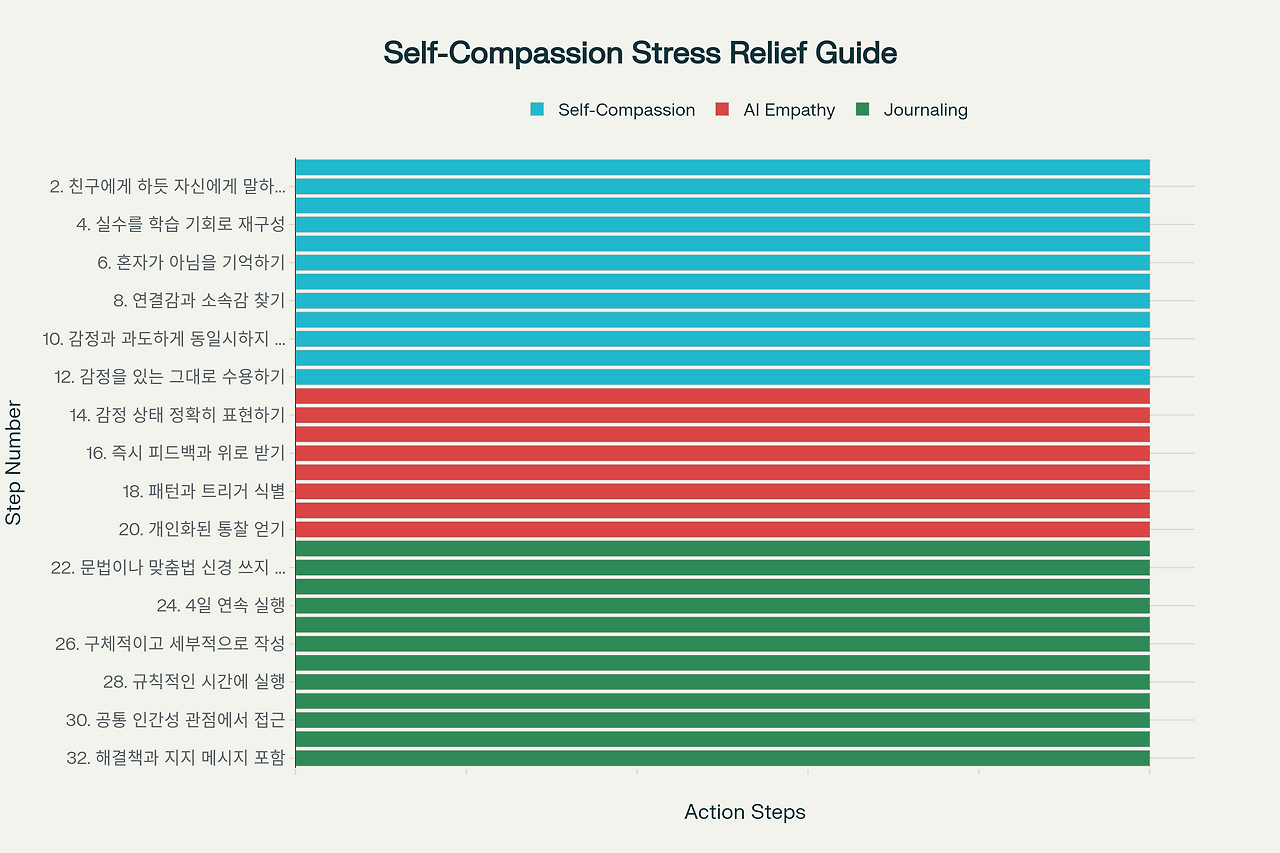
- 자기 자비 실천과 스트레스 해소 단계별 실용 가이드 차트
- 스트레스 및 감정 조절의 신경경로 흐름도
https://www.mybestself101.org/building-blocks-of-selfcompassion
Building Blocks of Self-Compassion — My Best Self 101
Mindfulness, the third key component, is essential to self-compassion. Mindfulness is generally defined as “present-moment awareness with acceptance.” We have an entire module on mindfulness explaining the concept in more detail. Mindfulness involves o
www.mybestself101.org
chrome-extension://efaidnbmnnnibpcajpcglclefindmkaj/https://arxiv.org/pdf/2411.12877
https://www.cognitivetherapynyc.com/stress-management/
Cognitive Stress Management Therapy | CBT for Stress
If you’re interested in learning more about stress management to discuss CBT for stress options, please contact us
www.cognitivetherapynyc.com
https://selfcompassion.web.unc.edu/what-is-self-compassion/the-three-components-of-self-compassion/
The Three Components of Self-Compassion | Program on Mindfulness & Self-Compassion for Families
Defined by Kristin Neff (www.selfcompassion.org), self-compassion has three components: 1. Self-kindness vs. Self-judgment Self-compassion entails being warm and understanding toward ourselves when we suffer, fail, or feel inadequate, rather than ignoring
selfcompassion.web.unc.edu
https://naamannet.org/recovery-blog/5-cbt-coping-strategies-to-help-with-stress/
5 CBT Coping Strategies to Help with Stress – Naaman Network
Even if you or a loved one isn’t struggling with addiction, you may have heard about cognitive-behavioral therapy (CBT). This is a form of therapeutic care that’s used in the treatment of many mental health issues. Truthfully, many professionals includ
naamannet.org
https://www.derbyshiremind.org.uk/news-activities/sam23-cbt-techniques-to-manage-stress/
Stress Awareness Month 2023: CBT Techniques to Manage Stress - Derbyshire Mind
Cognitive-Behavioral Therapy (CBT) is a type of psychological therapy that focuses on helping people change negative...
www.derbyshiremind.org.uk
https://www.gvsu.edu/counsel/self-compassion-311.htm
Self-Compassion - University Counseling Center - Grand Valley State University
Self-Compassion What is it? Self-Compassion is the act of extending compassion, or a caring willingness to help, to yourself in times of suffering or pain. Dr. Kristin Neff identifies self-compassion as having three important elements: self-kindness, mindf
www.gvsu.edu
https://www.sciencedirect.com/science/article/abs/pii/S0148296324005782
https://pubmed.ncbi.nlm.nih.gov/34602086/
Cognitive-behavioral therapy for management of mental health and stress-related disorders: Recent advances in techniques and tec
Cognitive-behavioral therapy (CBT) helps individuals to eliminate avoidant and safety-seeking behaviors that prevent self-correction of faulty beliefs, thereby facilitating stress management to reduce stress-related disorders and enhance mental health. The
pubmed.ncbi.nlm.nih.gov
https://www.healthline.com/health/cbt-techniques
CBT Techniques: Tools for Cognitive Behavioral Therapy
Cognitive behavioral therapy, or CBT, illuminates the links between thoughts, emotions, and behaviors. There are several different CBT techniques that can help reframe negative thinking patterns into more positive ones.
www.healthline.com
https://selfcompassionacademy.com/kristin-neff-self-compassion/
The 3 Elements of Self-Compassion, According to Kristin Neff - Self-Compassion Academy
According to Kristin Neff, self-compassion has three core components. What are these elements, and how can you integrate them into your life?
selfcompassionacademy.com
https://www.sciencedirect.com/science/article/pii/S2949882124000276
- Comparative neuroscience of stress response (image)
- Therapeutic journaling writing (image)
- Self-compassion Venn diagram (image)
- AI chatbot empathy/mental health (image)
- Mindfulness meditation illustration (image)
- AI chatbot impact infographic (image)
- Korean mindfulness outdoor scene (image)
- Amygdala function scientific illustration (image)
- Journaling hand writing study photo (image)