The content you've shared perfectly encapsulates one of the most significant yet underexplored psychological phenomena of modern adulthood. Research reveals that 75% of adults between ages 25-33 experience what psychologists term a "quarter-life crisis," characterized by heightened anxiety, self-doubt, and existential questioning. This isn't merely anecdotal experience—it's a documented psychological transition that reflects the complex intersection of brain development, societal expectations, and modern life pressures that converge precisely around age thirty.

The Neuroscience and Psychology of the Thirty Threshold
Developmental Psychology Perspectives
The anxiety surrounding thirty isn't arbitrary—it corresponds with significant neurological and psychological milestones. Men typically reach full emotional maturity between ages 40-43, but experience a notable jump in rationality and inner development around age 30. This creates a unique psychological tension where individuals possess enough self-awareness to recognize life's complexity but may lack the emotional maturity to navigate it confidently.
Research from the Great Smoky Mountains Study demonstrates that life transitions during young adulthood—including educational milestones, career establishment, and financial independence—are associated with reduced emotional and behavioral symptoms in adulthood. However, the pressure to achieve these transitions by thirty creates what researchers call "milestone anxiety," affecting 77% of 25-39 year-olds.
The Quarter-Life Crisis Phenomenon
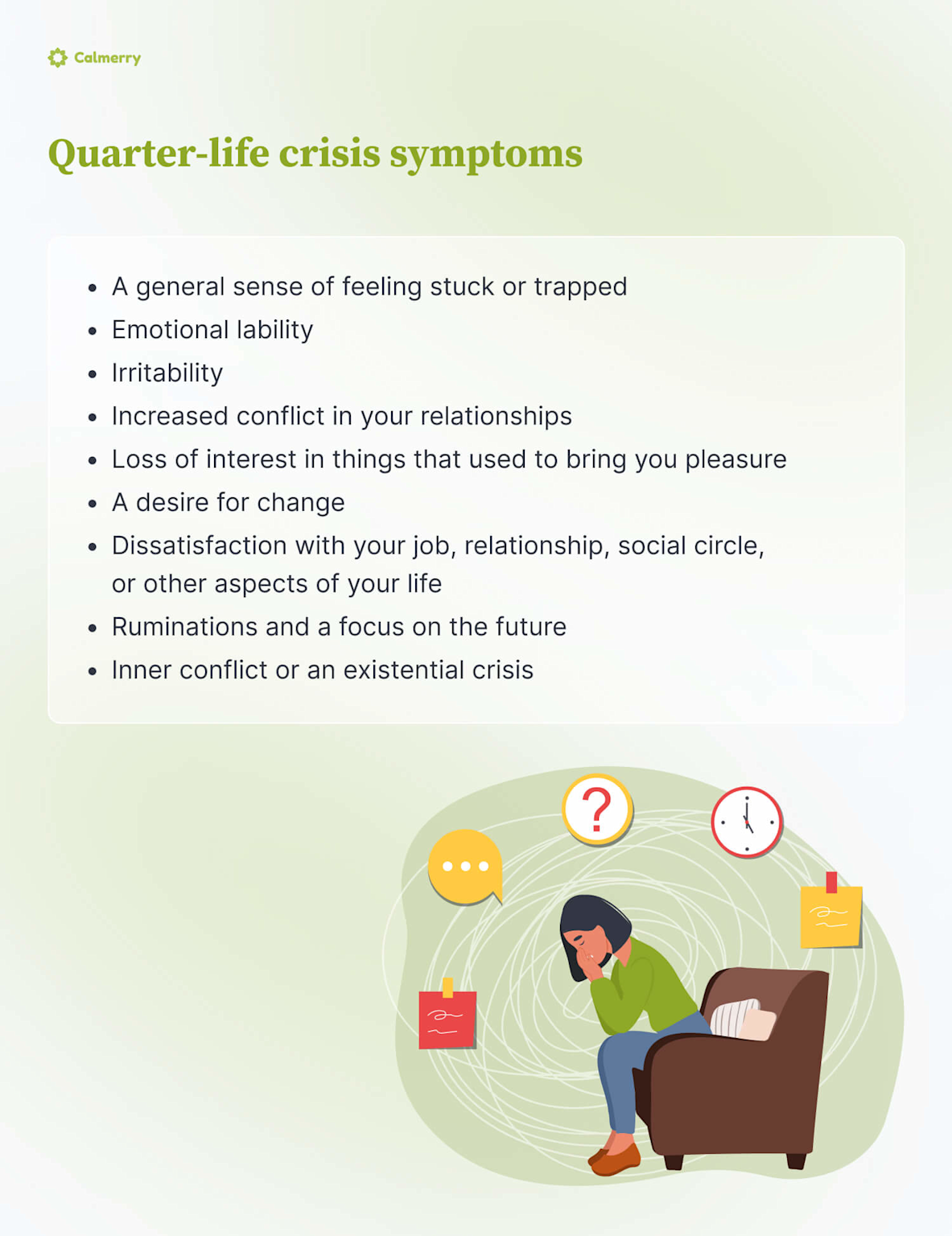
The quarter-life crisis typically manifests in four distinct phases: feeling trapped in commitments, experiencing separation or loneliness, engaging in deep self-reflection, and finally exploring new opportunities. Women are more likely than men to experience quarter-life crises, with career-related pressures being more prominent for men while relationship concerns dominate for women.
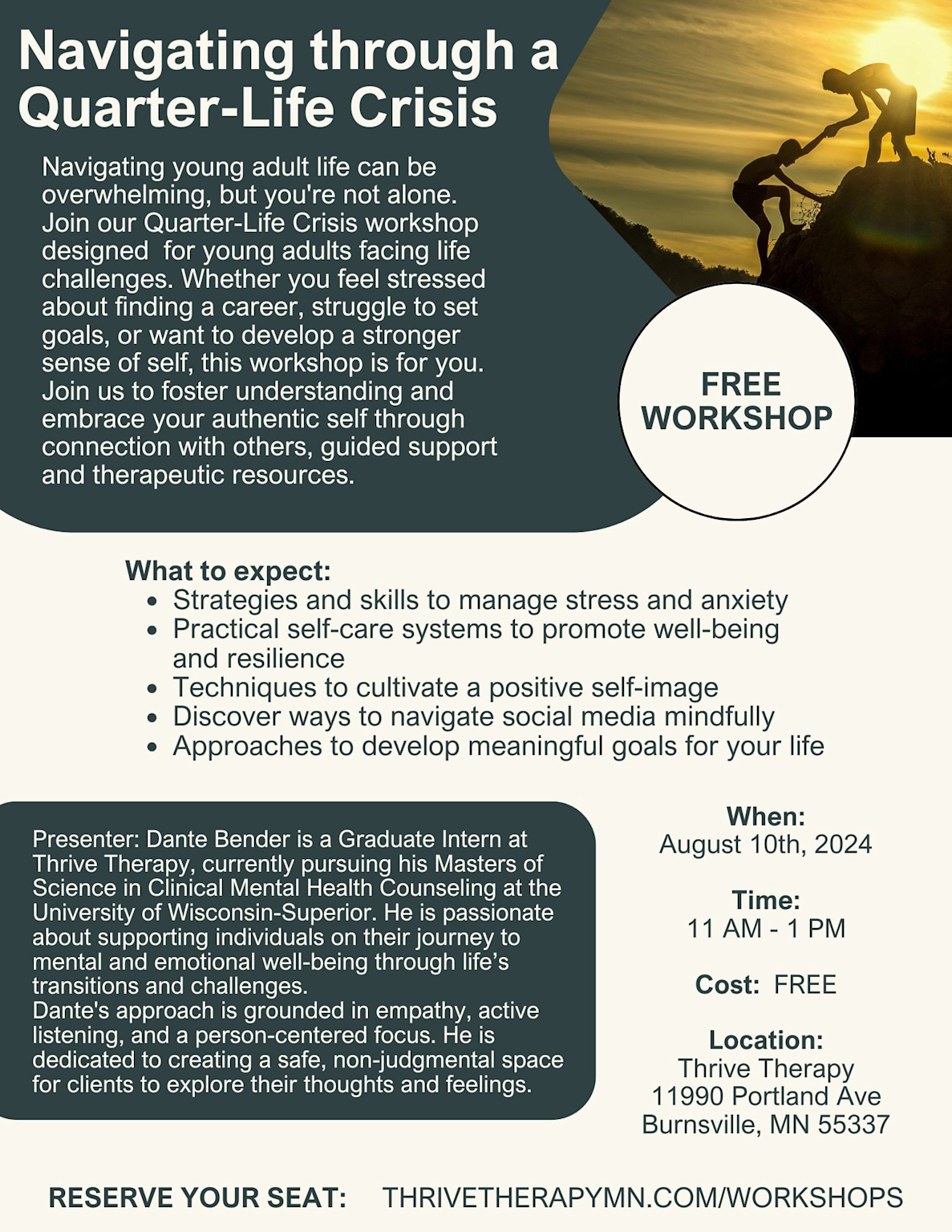
The symptoms extend far beyond simple uncertainty. Research identifies common manifestations including high anxiety, loneliness, dissatisfaction, chronic worry, depression, and persistent concerns about abilities and future prospects. These aren't character flaws—they're predictable responses to the convergence of multiple psychological and social pressures.
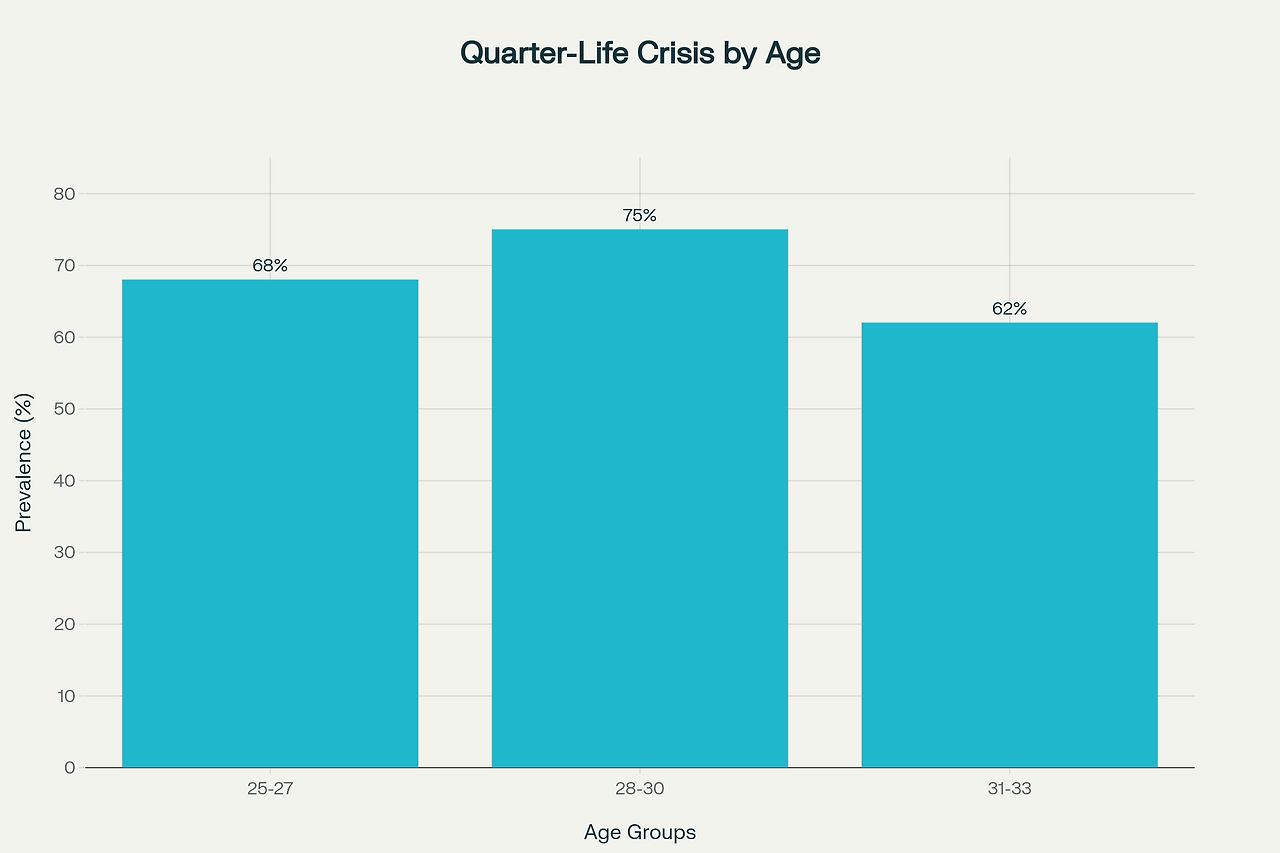
Social Comparison and the Digital Age Amplification
The Social Media Paradox
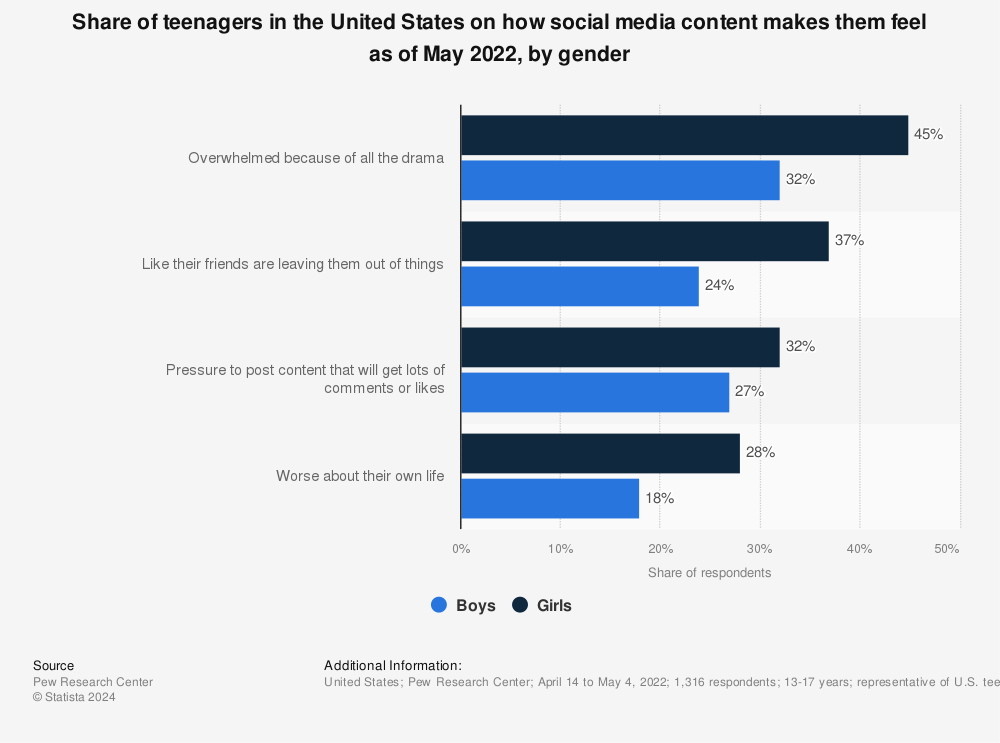
Modern technology has fundamentally altered how thirty-year-olds experience this life transition. Active social media use actually correlates with lower social anxiety, while passive consumption—scrolling without engaging—increases anxiety and social comparison. The carefully curated highlight reels of peers create what researchers term "upward social comparisons," where individuals consistently perceive others as more successful.
Studies reveal that exposure to upward social comparisons on social media negatively mediates the relationship between social networking site use and self-esteem, while positively mediating the relationship with depressive symptoms. This creates a feedback loop where thirty-year-olds seeking connection through social media inadvertently increase their anxiety about personal achievements.
Cultural and Societal Pressure Systems
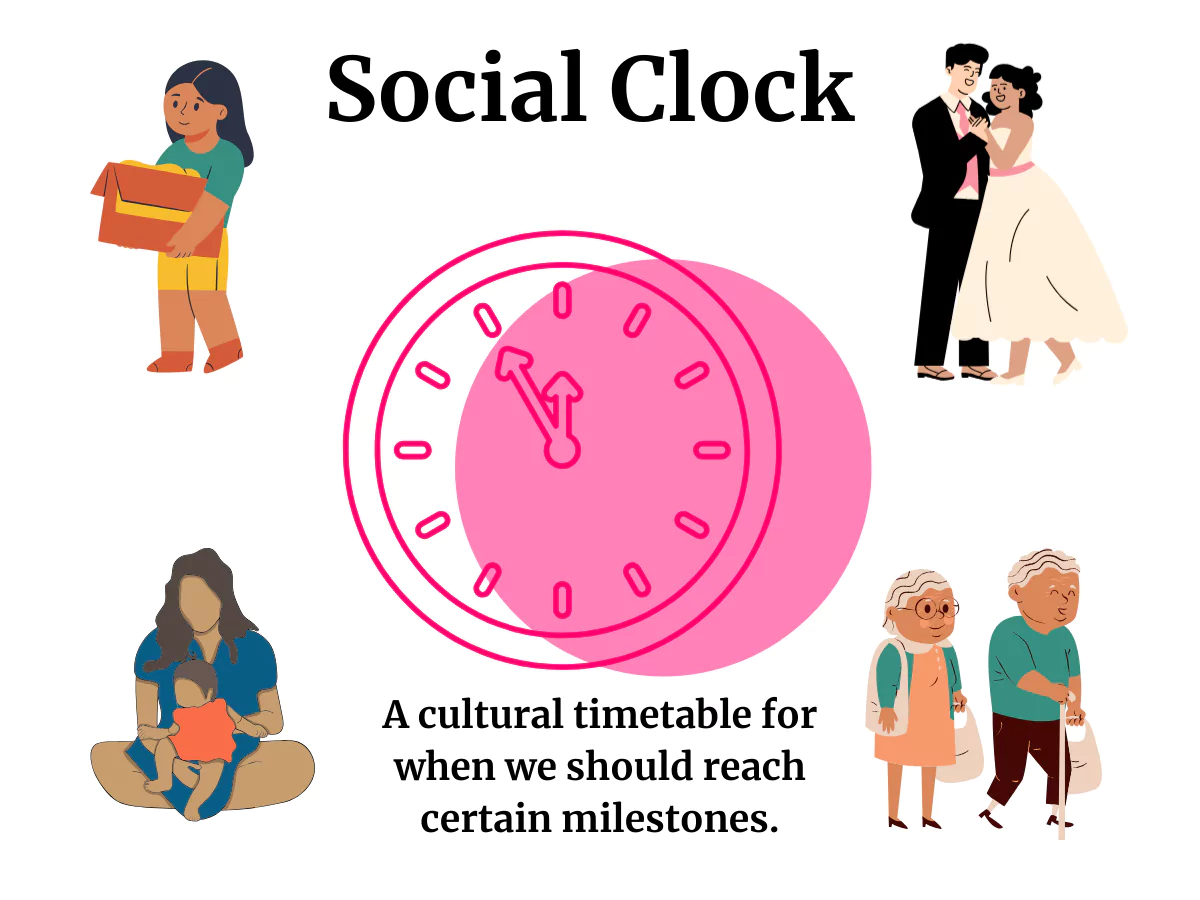
The pressure to "have it all" by thirty reflects outdated cultural norms that haven't adapted to modern realities. Rising living costs, student debt, and delayed life milestones mean many traditional markers of success are increasingly unattainable. Yet societal expectations persist, creating what psychologists call "social clock" pressure—the cultural timetable dictating when life milestones should occur.

Research shows that over 70% of women feel pressure from various sources to achieve traditional life milestones by age 30, despite evidence suggesting many women are only beginning to understand themselves in their late twenties. This disconnect between expectation and developmental reality creates unnecessary psychological distress.
Career Pressure and Professional Identity Formation
The Professional Plateau Paradox
The thirties represent a critical period for career health assessment. Career plateaus become more common as promotions decrease in frequency and initial job enthusiasm may wane. However, this same period offers optimal conditions for career transitions, as thirty-year-olds typically possess foundational professional experience while maintaining decades of potential growth ahead.
Research indicates that educational milestones and consistent employment are associated with the largest reductions in emotional and behavioral symptoms. The anxiety surrounding career "success" by thirty often overshadows the reality that this decade is ideal for strategic professional development rather than final career destination.
Financial Stress and Economic Realities
Financial anxiety represents a primary driver of thirty-year-old distress. 46% of Gen Z and 39% of Millennials report feeling stressed or anxious most of the time, with cost of living topping their concerns. The economic landscape has fundamentally shifted—median student loan debt increased from $6,000-7,000 in 1992 to $16,000-20,000 for ages 25-34 by 2022.
Housing costs exemplify this challenge. About two-thirds of young adults believe buying a home will become harder or impossible in the future, creating anxiety about achieving traditional markers of financial success that previous generations took for granted.
The Biological Clock and Reproductive Anxiety
Fertility Pressure and Decision-Making
For women, thirty carries additional biological significance. Fertility begins to decline gradually from age 30, with a more significant drop after 35. However, research reveals this decline is more gradual than commonly believed—there's no absolute "knife edge" at 35, but rather a constant, gradually accelerating change.
The anxiety surrounding biological clocks often exceeds actual medical necessity. At age 30, a healthy woman has a 20% chance of conception per month, declining to 5% by age 40. While this represents real change, it doesn't justify the panic often associated with thirty-year-old fertility concerns.
Relationship Expectations and Partnership Pressure
Societal expectations around marriage and partnership intensify approaching thirty. Asian cultures, particularly collectivist societies, create additional pressure with family expectations for marriage before thirty. This cultural dimension adds layers of anxiety beyond individual concerns, incorporating family and community expectations into personal decision-making.
Resilience, Growth, and Positive Psychology Applications
Building Psychological Resilience
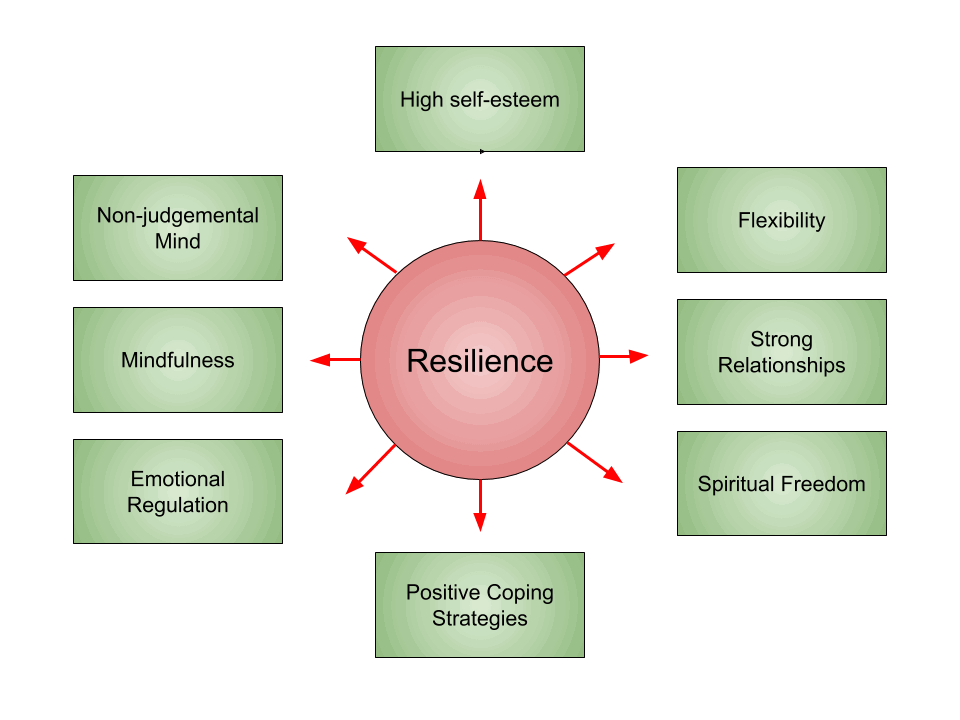
Research in positive psychology offers crucial insights for navigating thirty-year-old anxiety. Resilient individuals effectively "bounce back" from stressful experiences by using positive emotions to find meaning in negative circumstances. The key lies in cultivating specific traits: high self-esteem, flexibility, strong relationships, positive coping strategies, emotional regulation, mindfulness, and spiritual freedom.
Purpose in life emerges as a central protective factor. Research demonstrates that individuals with greater purpose experience less stress, better emotion regulation, and improved mental health outcomes. The anxiety of thirty often signals a need for deeper purpose alignment rather than external achievement accumulation.
Therapeutic Interventions and Coping Strategies
Professional support proves highly effective for thirty-year-old transitions. Cognitive Behavioral Therapy (CBT), Dialectical Behavioral Therapy (DBT), and Acceptance and Commitment Therapy (ACT) provide tools for reframing negative thoughts and building resilience. These approaches help individuals separate societal expectations from personal values, creating authentic life direction.
Mindfulness practices, including meditation and journaling, effectively reduce quarter-life crisis anxiety. The goal isn't eliminating uncertainty but developing comfort with ambiguity—a crucial skill for navigating adult life's inherent unpredictability.
Cultural Variations and Global Perspectives
Cross-Cultural Analysis of Thirty-Year-Old Expectations
Different cultures approach the thirty milestone with varying expectations and pressures. Collectivist cultures create higher pressure for conformity to social timelines, while individualistic societies emphasize personal choice but may create different forms of anxiety about self-direction. Understanding these cultural variations helps individuals contextualize their experience within broader social frameworks.
Research across 22 countries reveals that childhood correlates of adult purpose and meaning include good health, positive parental relationships, regular religious attendance, and absence of early adversity. This suggests that thirty-year-old anxiety may partially reflect earlier life experiences rather than current circumstances alone.
Reframing Thirty as Opportunity
The Neuroscience of Adult Development
Modern neuroscience reveals that brain plasticity continues throughout adulthood, with significant capacity for growth and change extending well beyond thirty. The anxiety often associated with this age reflects outdated assumptions about fixed adult development rather than current scientific understanding.
Life transitions during young adulthood constitute potential mental health turning points rather than endpoints. Each transition—career changes, relationship developments, financial milestones—represents opportunity for psychological growth and increased life satisfaction.
Evidence-Based Optimism
Research provides compelling evidence for optimism about thirty-year-old development. Multiple young adult transitions correlate with reduced emotional symptoms and antisocial behaviors, with effects being strongest for males and lasting into later adulthood. The accumulation of life experiences, even challenging ones, builds psychological resources for future resilience.
Purpose and meaning in life demonstrate bidirectional relationships with well-being—finding meaning creates positive emotions, while positive emotions increase likelihood of finding meaning in subsequent experiences. This suggests that working through thirty-year-old anxiety can actually strengthen psychological resources for future challenges.
Practical Framework for Navigating the Thirty Transition
Cognitive Restructuring Approaches
The most effective approach to thirty-year-old anxiety involves accepting uncertainty as growth opportunity rather than threat. This requires shifting from external validation to internal value alignment, recognizing that life operates on multiple timelines rather than single prescribed paths.
Small, manageable actions toward desired changes prove more effective than dramatic life overhauls. This might include updating professional skills, exploring new relationship patterns, or gradually aligning lifestyle choices with personal values rather than societal expectations.
Building Support Systems and Community
Social support emerges as a crucial protective factor, with research showing that individuals with strong emotional, instrumental, and informational support demonstrate lower stress and depressive symptoms when facing life transitions. The key lies in cultivating relationships that support authentic development rather than conformity to external expectations.
Connection with others experiencing similar transitions normalizes the experience and provides practical coping strategies. This might involve therapy groups, peer support networks, or professional communities focused on life transitions rather than achievement comparison.
Conclusion: Thirty as Beginning Rather Than Deadline
The anxiety and fear surrounding thirty ultimately reflect a fundamental misunderstanding of adult development. Rather than representing a deadline for life achievement, thirty marks the beginning of what researchers call "established adulthood"—a period characterized by increased self-knowledge, accumulated experience, and decades of remaining growth potential.
The most distressing fear in early adulthood is that there is no life after youth, but research consistently demonstrates that satisfaction, achievement, and fulfillment can occur across the entire adult lifespan. The key lies in reframing thirty from an endpoint to a launching point—a time when accumulated experience meets ongoing potential for growth and change.
Modern psychology provides clear evidence that anxiety and fear at thirty can be transformed into fuel for intentional living. The uncertainty that creates distress also creates opportunity for authentic self-direction, freed from the constraints of others' expectations and timelines. In this light, turning thirty represents not the end of possibilities but the beginning of living with genuine intention and self-awareness.
The research is clear: thirty is not too late for anything meaningful. It's precisely the right time to begin living deliberately, guided by internal wisdom rather than external pressure, with the psychological resources and life experience necessary to create genuinely fulfilling adult life.
참고 출처
- [PMC Articles on life transitions, mental health, quarter life crisis and resilience] (, web:web web web
- [Mental Health and Anxiety in Young Adults - Various Research Summaries] (, web web [Social Comparison and Social Media Anxiety Research] (, web web
- [Career and Financial Pressure in 30s] (, web web web [Biological Clock and Fertility Anxiety] (, web web
- [Cultural and Societal Expectations on Life Milestones] (, web:- [Positive Psychology and Resilience Development] (, web web web
- [Therapeutic Interventions and Coping with Quarter-Life Crisis] (, web web
- [The Social Clock and Life Timeline Concepts] (, web [Overview Articles on Anxiety and Turning Thirty] (, web:web web web [Visual and Statistical Data on Symptoms and Transitions] (chart:85)