Recent scientific research validates what many suspected: effective weight loss doesn't require expensive programs, supplements, or gym memberships. The most successful approach combines multiple free strategies that create sustainable lifestyle changes, with studies showing that integrated methods can produce 6.4 kg of weight loss over 12-24 weeks—nearly double the results of individual approaches alone. This comprehensive analysis examines the scientific foundation behind cost-free weight loss methods and provides evidence-based strategies for achieving lasting results.

The Science of Free Movement: Exercise Without Equipment
Bodyweight Training: Maximum Impact, Zero Cost
Scientific research demonstrates that bodyweight exercises provide remarkable effectiveness for weight loss and overall fitness. A comprehensive study published in Physiology and Behavior found that bodyweight training helps build muscle "independent of an external load," with participants showing improvements in seven out of nine physical fitness parameters after just 10 weeks. The most significant gains included a 33% improvement in aerobic capacity and 11% increase in core muscle endurance.

Research reveals that bodyweight exercises create multiple weight loss mechanisms simultaneously. These movements engage multiple muscle groups, leading to higher calorie burn during exercise and increased post-exercise oxygen consumption (EPOC), which extends calorie burning for hours after workout completion. Studies show that exercises like burpees, jumping squats, and mountain climbers can burn significant calories in short periods while building lean muscle mass that elevates resting metabolic rate.
A particularly compelling aspect of bodyweight training is its accessibility and progression potential. Harvard research indicates that even minimal equipment-free routines can deliver substantial results, with one study of older adults showing 15% increases in muscle strength and power from just six workouts per month over 10 months. For younger populations, the benefits compound significantly with consistent practice.

Walking: The Underestimated Weight Loss Powerhouse
Walking emerges as perhaps the most researched and effective free exercise for weight loss. A landmark 12-week randomized controlled trial revealed that participants combining walking with dietary changes lost 6.4 kg of fat mass compared to 4.8 kg in diet-only groups—representing a 33% increase in fat loss. This study demonstrates that moderate walking (approximately 2.5 hours weekly) produces clinically significant improvements in body composition.

The metabolic benefits of walking extend beyond simple calorie burning. Research published in Nature shows that moderate-intensity walking exercises significantly reduce body weight, BMI, and body fat percentage while improving skeletal muscle mass. Importantly, the study found that walking speed matters less than consistency, with slow walkers showing more rapid initial fat loss in overweight individuals, while fast walkers achieved greater long-term results.
A dose-response study comparing 30-minute versus 60-minute walking sessions found no additional weight loss benefit from longer walks, suggesting that 30 minutes of daily walking provides optimal cost-benefit returns. The University of Copenhagen research showed that participants walking 30 minutes daily actually lost more weight (3.5 kg) than those walking 60 minutes (3 kg), possibly due to increased motivation and sustainable adherence.

High-Intensity Interval Training: Maximum Results in Minimum Time
Free HIIT workouts using bodyweight exercises prove exceptionally effective for weight loss. Research indicates that HIIT burns 25-30% more calories per minute than traditional exercise methods, including weight training and steady-state cardio. The time-efficiency factor makes HIIT particularly valuable for cost-free weight loss, as effective sessions can be completed in 10-30 minutes.
The physiological mechanisms underlying HIIT's effectiveness include enhanced fat oxidation, improved insulin sensitivity, and significant increases in metabolic rate that persist long after exercise completion. Studies show HIIT particularly effective at reducing visceral fat, which carries the highest health risks.
Nutritional Strategies: Eating Well Without Spending More
Home Cooking: The Hidden Weight Loss Multiplier
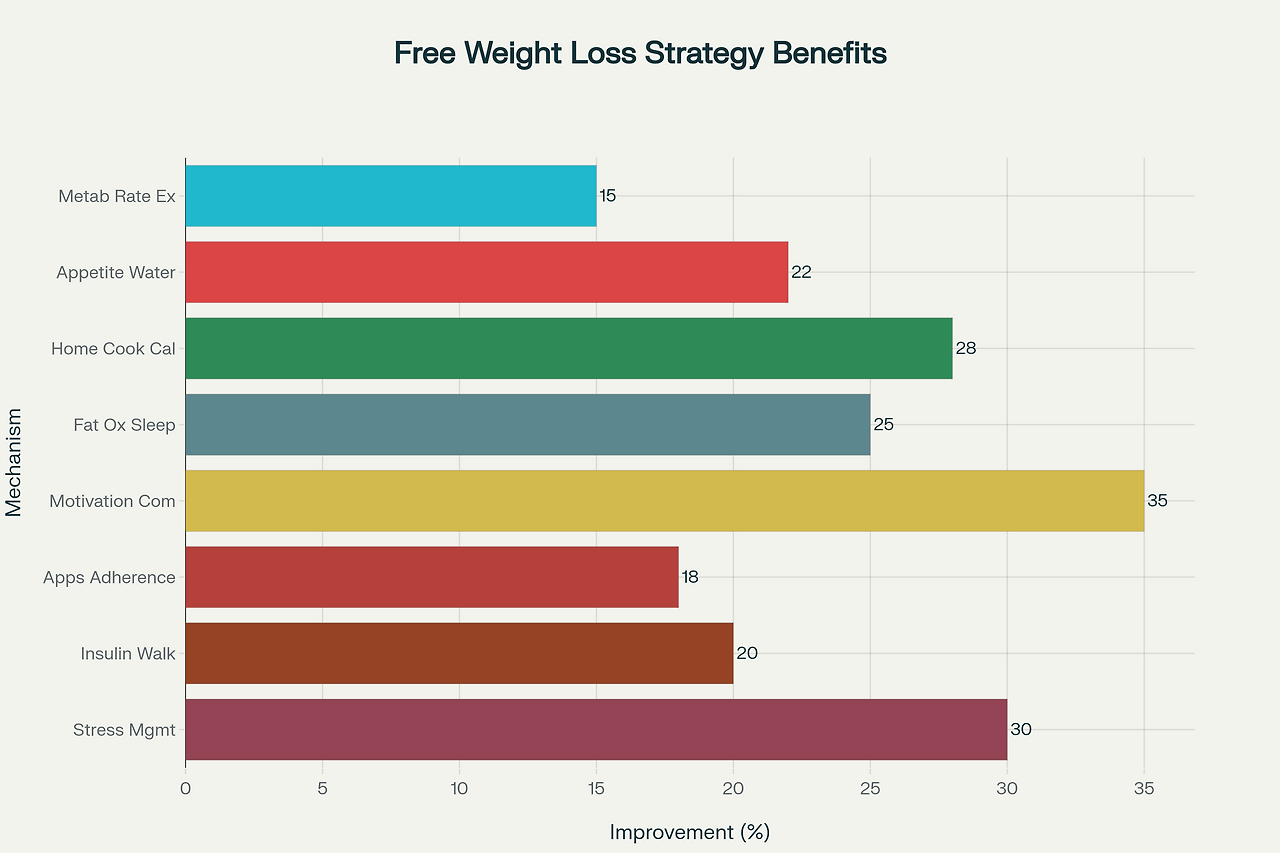
University of Washington research provides compelling evidence for home cooking's role in weight loss. The Seattle Obesity Study found that individuals cooking at home 6 times per week scored significantly higher on the Healthy Eating Index compared to those cooking 3 times weekly. Most remarkably, this improved diet quality came at no additional cost.

The study revealed that home-cooked meals were associated with lower calories, reduced sugar and fat intake, and better overall nutrient distribution. Participants who regularly cooked at home naturally consumed appropriate portions and made healthier food choices without conscious restriction. The research emphasizes that home cooking provides complete control over ingredients, eliminating hidden sugars, excessive fats, and unnecessary preservatives common in restaurant and processed foods.

A large-scale analysis of nearly 12,000 people found that those eating home-cooked meals more than five times weekly were 28% less likely to be overweight and 24% less likely to have excess body fat. The weight management benefits stem from natural portion control, ingredient awareness, and the mindfulness that cooking requires.
Water: The Zero-Calorie Weight Loss Catalyst
Systematic reviews of water consumption for weight loss reveal consistent benefits across multiple studies. A comprehensive analysis found that all investigated studies showed weight loss effects ranging from 0.4 kg to 8.8 kg, with a mean weight loss of 5.15%. The most effective intervention was replacing caloric beverages with water.

Research demonstrates that water affects weight loss through multiple mechanisms. Pre-meal water consumption (approximately 500ml) increases satiety and reduces food intake by 60-75 calories in middle-aged and older adults. Additionally, water consumption temporarily boosts metabolic rate by approximately 30% for about one hour, though the absolute calorie burn remains modest.
A controlled 8-week study found that overweight women consuming 1.5 liters of water beyond their usual intake (500ml before each meal) experienced significant reductions in body weight, BMI, body fat, and appetite scores. The water-induced thermogenesis effect, while small, contributes to overall energy balance when practiced consistently.
Intermittent Fasting: Structured Eating Without Cost
The largest systematic review on intermittent fasting, analyzing 99 clinical trials across 6,500 participants, confirms that intermittent fasting equals traditional calorie-restricted diets for weight loss effectiveness. Alternate day fasting showed superior results, producing 1.3 kg greater weight loss compared to conventional calorie restriction.
The physiological mechanisms underlying intermittent fasting's effectiveness include improved insulin sensitivity, increased human growth hormone production, enhanced cellular repair processes (autophagy), and metabolic switching to fat oxidation during fasting periods. Research indicates that these metabolic changes occur without conscious calorie counting, making intermittent fasting particularly sustainable.
Popular approaches include the 16:8 method (eating within an 8-hour window), 5:2 fasting (normal eating five days, restricted intake two days), and alternate day fasting. Studies show these methods work primarily by creating natural calorie deficits rather than through metabolic advantages.
Mindful Eating and Portion Control: Psychological Strategies for Success
The Science of Mindful Consumption
Research published in the Journal of the Academy of Nutrition and Dietetics demonstrates that mindful eating interventions produce significant reductions in body weight and binge eating episodes. The physiological basis involves allowing approximately 20 minutes for satiety hormones to signal fullness to the brain, preventing overeating.
Mindful eating techniques create multiple beneficial effects: improved digestion through relaxed eating states, enhanced nutrient absorption, stronger prefrontal cortex function for self-control, and reduced cortisol levels associated with stress eating. Brain imaging studies show that mindful eating literally strengthens the brain regions responsible for decision-making and impulse control.
Portion Control: Simple Physics of Weight Loss
Controlled studies demonstrate that using smaller plates and bowls naturally reduces portion sizes and calorie intake. This phenomenon, known as the Delboeuf illusion, tricks the brain into perceiving larger portions on smaller plates, increasing satisfaction while reducing actual food consumption.
Research indicates that pre-portioned meals lead to lower calorie consumption compared to self-selected portions. The simple act of measuring food portions increases awareness of calorie intake and supports better food monitoring, which remains one of the most effective weight loss strategies.
Sleep and Recovery: The Overlooked Weight Loss Factor
Sleep Deprivation's Impact on Weight Management
Extensive research reveals sleep's critical role in weight regulation. A study published in PNAS found that insufficient sleep increases total daily energy expenditure by 5%, but energy intake—especially nighttime eating—exceeds energy needs, leading to 0.82 kg weight gain despite increased calorie burning.
Sleep restriction affects appetite-regulating hormones, with studies showing increased ghrelin (hunger hormone) and decreased leptin (satiety hormone) during sleep deprivation. Additionally, insufficient sleep shifts metabolism toward carbohydrate oxidation rather than fat burning and reduces dietary restraint, particularly in women.
Conversely, sleep extension studies demonstrate remarkable benefits. Participants extending sleep duration showed decreased energy intake of approximately 270 calories daily, creating negative energy balance and weight reduction. Modeling suggests this effect could produce 12 kg weight loss over three years if sustained.
Optimizing Sleep for Weight Loss
Research identifies several free strategies for improving sleep quality and duration that support weight loss. Sleep timing affects meal timing preferences, with earlier sleep schedules associated with reduced late-night eating and better appetite regulation. Studies show that consistent sleep schedules, limiting screen time before bed, and creating dark, cool sleeping environments improve both sleep quality and weight management outcomes.
Technology and Community: Free Resources for Success
Smartphone Apps: Pocket-Sized Success Tools
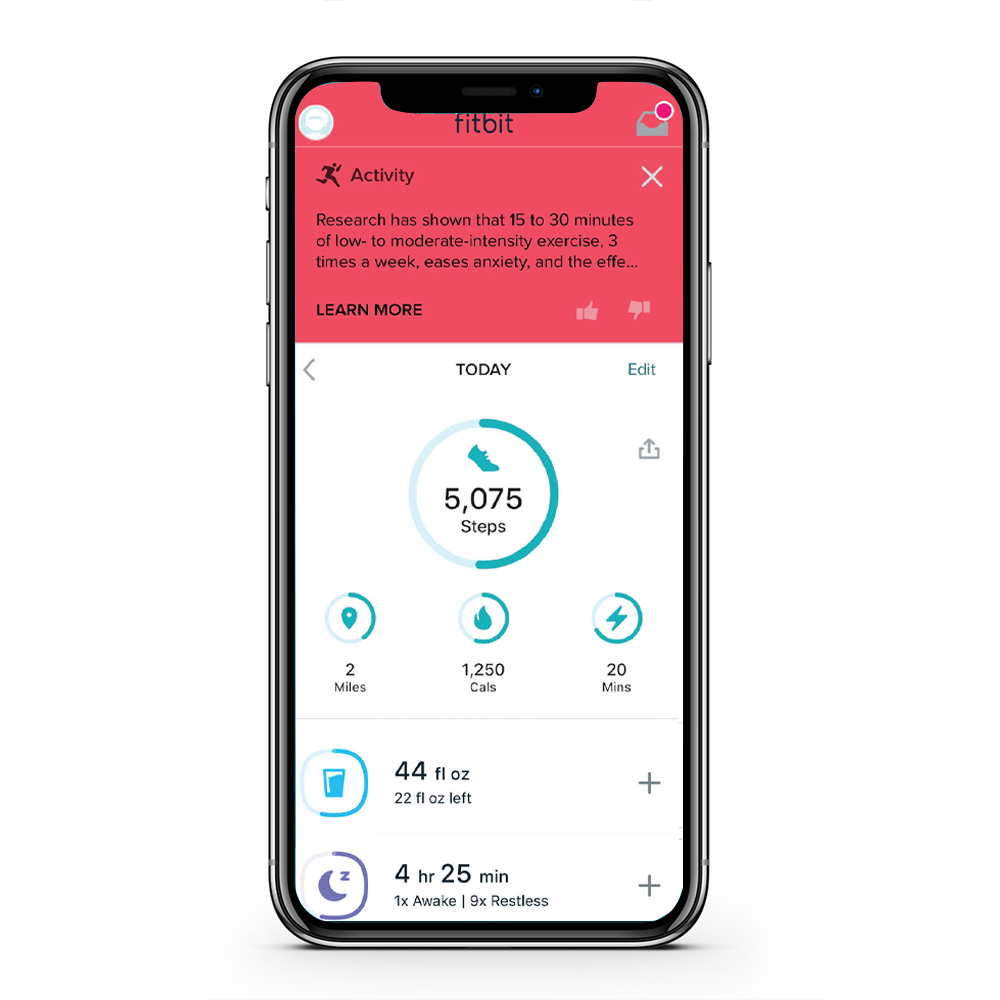
Research confirms that free fitness and nutrition tracking apps significantly improve weight loss outcomes. Studies show that self-monitoring through apps increases awareness of eating patterns and physical activity levels. The key benefit lies not in premium features but in consistent tracking and goal-setting capabilities.

Popular free options include Google Fit for activity tracking, Nike Training Club for guided workouts, MyFitnessPal for nutrition monitoring, and various water intake reminders. Research indicates that the simple act of logging food intake and exercise increases success rates regardless of the specific app used.
Community Support: The Social Science of Weight Loss
Multiple studies demonstrate that community support significantly enhances weight loss success. Research shows that individuals with social support are more likely to maintain weight loss and continue healthy behaviors long-term. The mechanisms include increased accountability, shared motivation, emotional support during challenges, and practical advice sharing.
Free community options include online forums, social media groups, local walking groups, and library-sponsored programs. Studies indicate that even virtual community participation provides meaningful support for weight loss maintenance.
Building Sustainable Habits: The Long-Term Success Framework
Autonomous Motivation: The Key to Lasting Change
Self-determination theory research reveals that autonomous motivation—behavior change driven by internal satisfaction rather than external pressure—predicts superior long-term weight loss success. Studies show that individuals with higher autonomous motivation maintain greater weight loss at 2-year follow-ups and demonstrate better adherence to healthy behaviors.
The research indicates that autonomous motivation develops through competence (feeling capable), autonomy (feeling in control), and relatedness (feeling connected to others). Free weight loss strategies naturally support these psychological needs by providing skill development, personal choice, and community connection.
Habit Formation: Making Healthy Choices Automatic
Behavioral research demonstrates that successful weight maintenance requires transitioning from conscious effort to automatic habits. This process typically takes 66 days on average but varies significantly based on behavior complexity and individual factors. Free strategies support habit formation by reducing barriers, increasing consistency opportunities, and providing immediate feedback.
Implementation Strategy: Evidence-Based Action Plan
Week 1-2: Foundation Building
- Begin with 20-30 minutes daily walking
- Implement pre-meal water consumption (500ml)
- Start cooking one additional meal at home per day
- Download free tracking app and begin food logging
Week 3-4: Intensity Increase
- Add 2-3 bodyweight exercise sessions weekly
- Extend home cooking to 4-5 meals weekly
- Begin basic intermittent fasting (12-hour window)
- Join online community or find local walking group
Week 5-8: System Optimization
- Progress to 30-45 minutes daily activity
- Implement mindful eating techniques
- Optimize sleep schedule and environment
- Track weekly measurements and adjust strategies
Week 9-12: Habit Consolidation
- Focus on consistency over intensity
- Refine strategies based on personal preferences
- Establish long-term maintenance routines
- Plan for challenges and setbacks
Conclusion: The Science of Sustainable, Cost-Free Weight Loss
The scientific evidence overwhelmingly supports that effective, lasting weight loss requires no financial investment. Research demonstrates that combining multiple free strategies—walking, bodyweight exercises, home cooking, adequate hydration, quality sleep, and community support—produces superior results to expensive programs or supplements. The key lies not in perfection but in consistency, autonomous motivation, and evidence-based implementation.
The most successful approach integrates these strategies gradually, building sustainable habits that support both immediate weight loss and long-term maintenance. By understanding the physiological and psychological mechanisms underlying each strategy, individuals can create personalized approaches that fit their circumstances while maximizing effectiveness. The investment required is time and commitment, not money—and the scientific evidence confirms this approach produces lasting results.